Baroque: an Art Movement that Dared to Feel

Girl with a Pearl Earring by Johannes Vermeer, used in Sibiu and Beyond’s essay “Baroque: an Art Movement that Dared to Feel,” exploring Baroque art, emotion, theatrical light and visual presence.

Emerging in early 17th-century Rome and gradually permeating the cultural landscapes of Europe, the Baroque period marked a profound departure from the restrained harmony of the Renaissance.

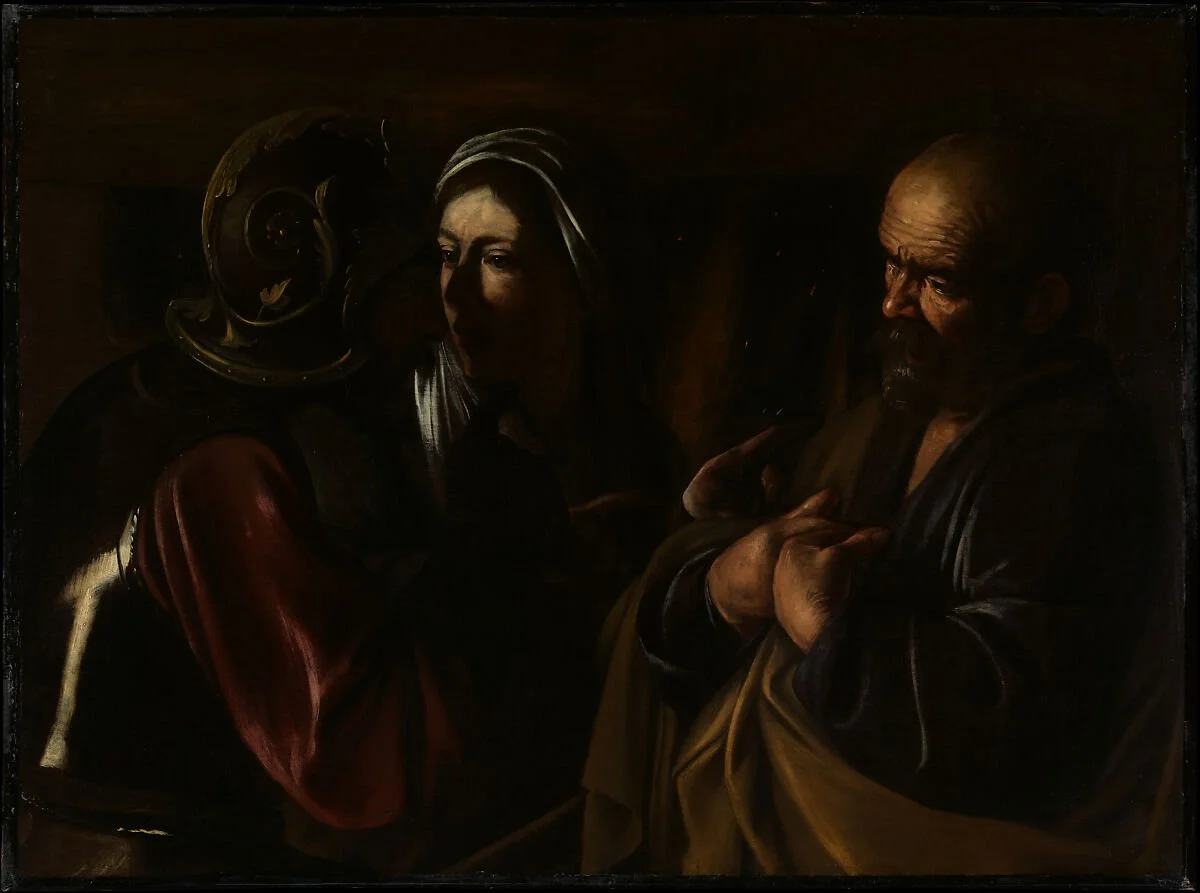
The Denial of Saint Peter by Caravaggio (Michelangelo Merisi) used in Sibiu and Beyond’s essay “Baroque: an Art Movement that Dared to Feel,” exploring Baroque art, emotion, theatrical light and visual presence.

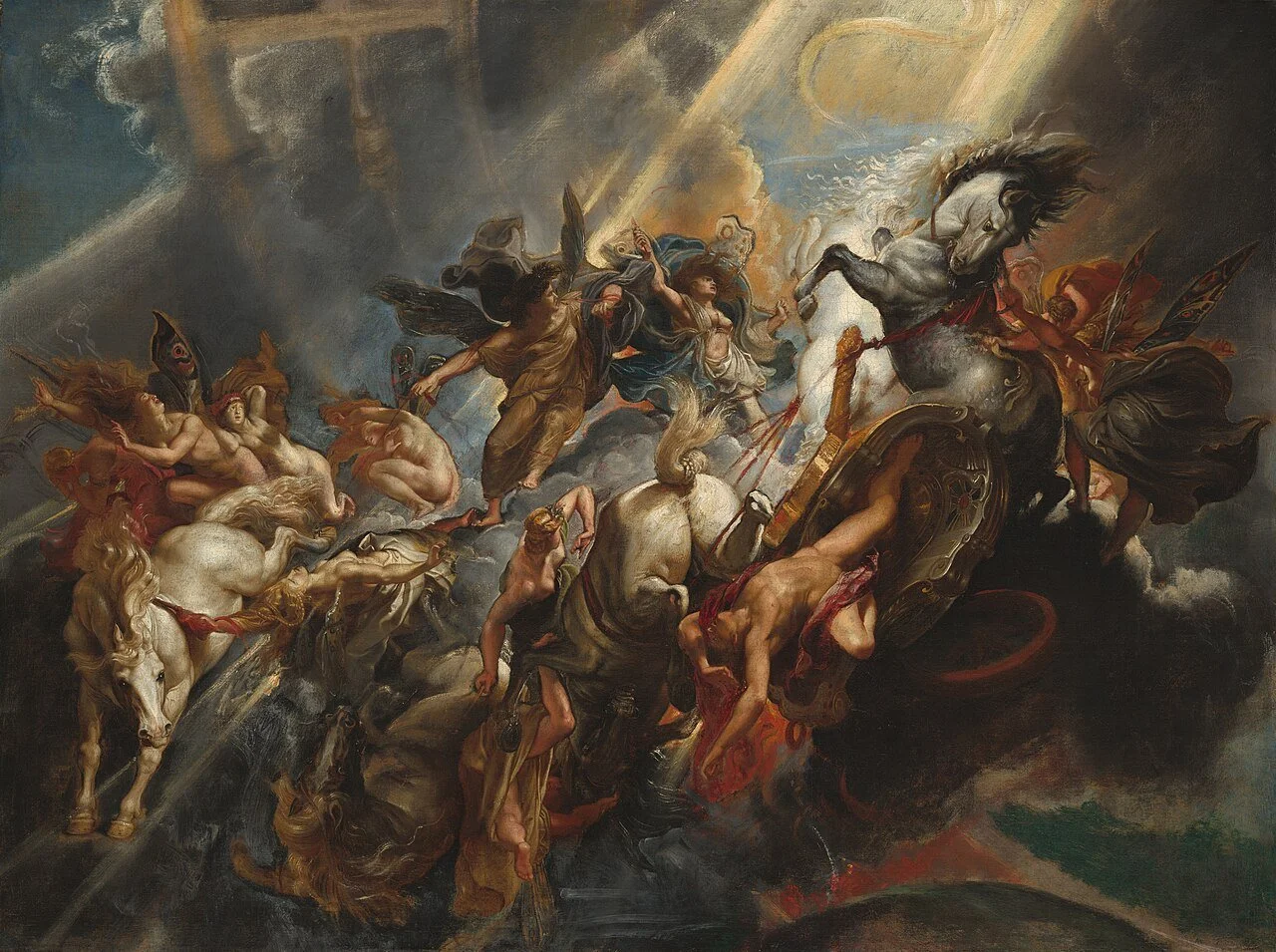
Rooted in the Counter-Reformation’s drive to rekindle religious fervor, Baroque art embraced theatricality, emotional depth, and an almost cinematic use of light and shadow to engage its audience not through intellect alone, but through the senses. Far from being merely decorative or excessive—as critics of later centuries would sometimes claim—the Baroque was, in essence, an aesthetic philosophy that placed human passion at the core of visual expression.

Baroque artists did not simply depict; they performed on the canvas and in stone. The viewer was no longer a passive observer, but an active participant, drawn into turbulent narratives and spiritual revelations. Painters such as Caravaggio and Rubens, sculptors like Bernini, and architects from Borromini to Fischer von Erlach infused their works with dynamic movement and psychological intensity, crafting a visual language that dared to feel, to persuade, and to move.

The blog Sibiu and Beyond will trace the historical, cultural, and ideological contexts that gave rise to the Baroque movement, analyze its key characteristics, and consider how its emotionally charged vocabulary resonated across regions and mediums. In doing so, it will reveal how the Baroque not only redefined the role of art in society but also challenged the very boundaries of artistic experience.

Previous
Previous

What makes something worth remembering?