Research

“Ferula” – Digitalization and Museum Presentation of the Funerary Collection of the Sibiu Fortified Precinct
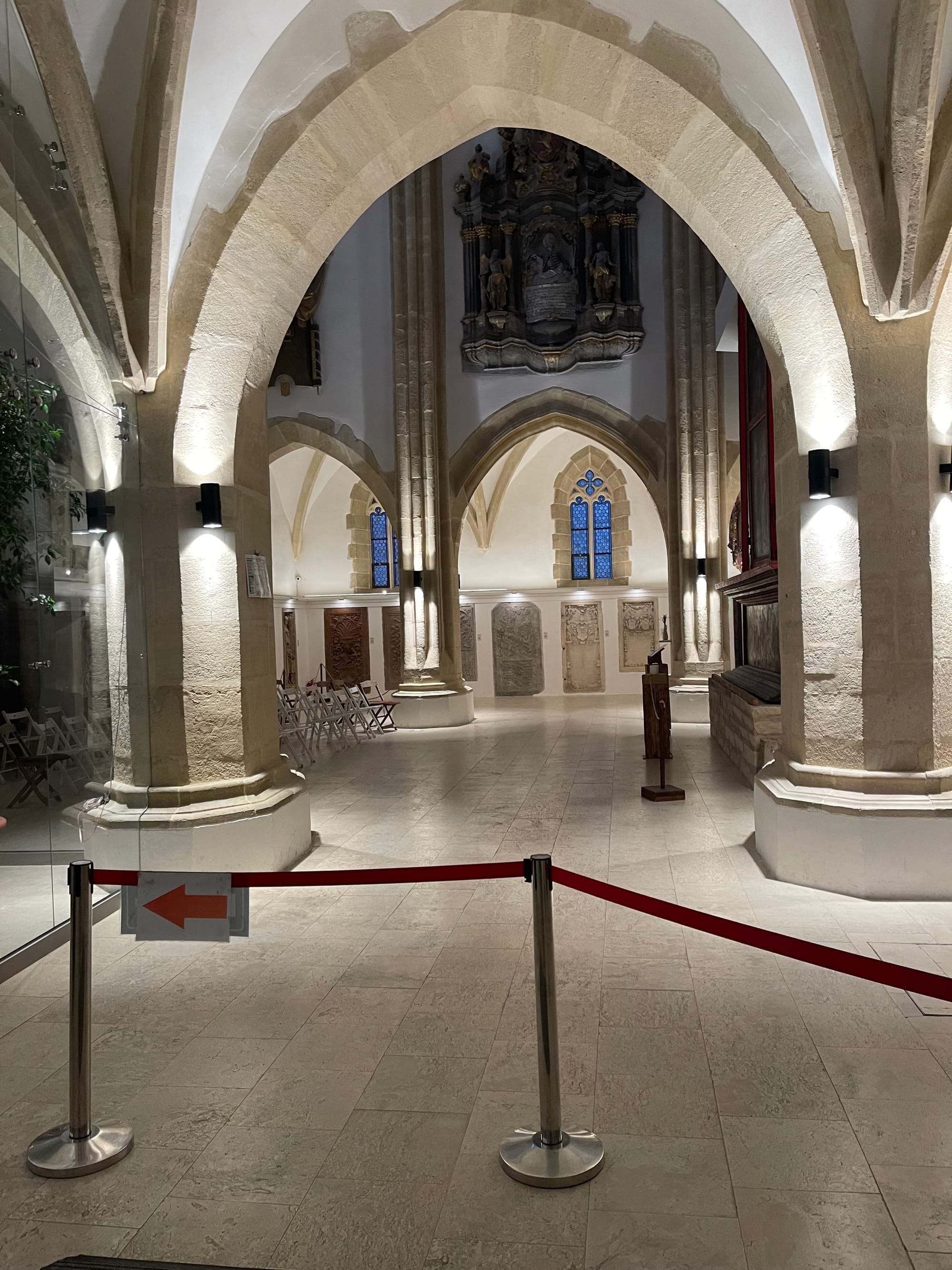
Ferula is a research and heritage valorization project dedicated to the funerary legacy of the historical community of Sibiu, established as a digital platform for documentation and interpretation. At the core of the project are the funerary stones and inscriptions that serve as “documents” of a lost world: names, titles, professions, formulas, languages, and symbols—revealing family ties and insights into social status, faith, administration, and community belonging within the ancient Castrum.
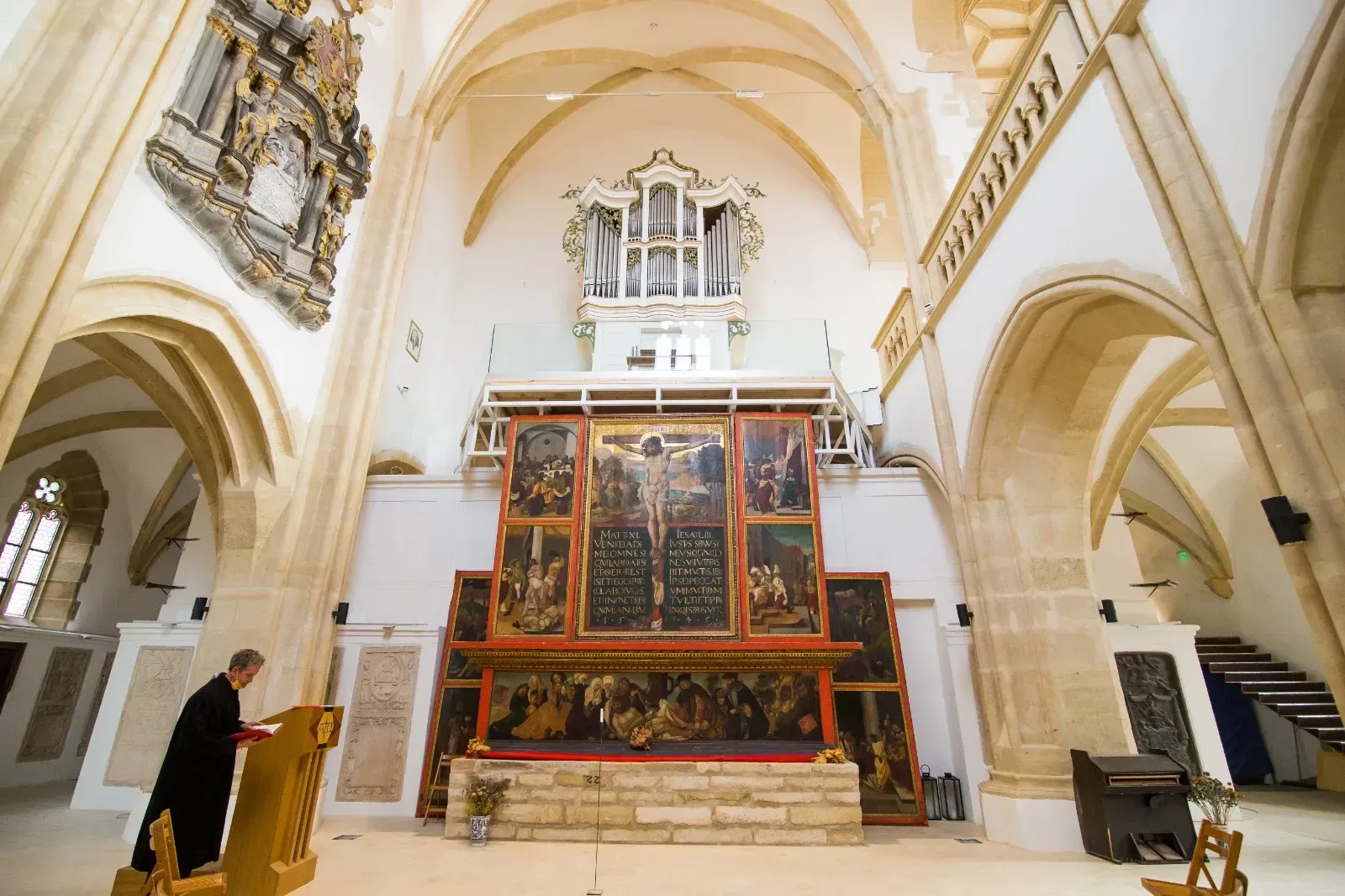
In the urban tradition of the Fortified Precinct (understood in its communal sense, rather than a strictly confessional one), memory is preserved not only in archives or chronicles but also in stone: through epitaphs, insignia, and formulas that anchor an identity, a vocation, and a social role within the public sphere of the Castrum. Consequently, these monuments—from the Lapis set into the ground and recumbent effigies of the knightly elite, to the commemorative stele and incised slabs—are more than mere objects: they constitute a form of visible archive, a 'library' of the settlement, where language, law, social order, and the history of everyday life converge.
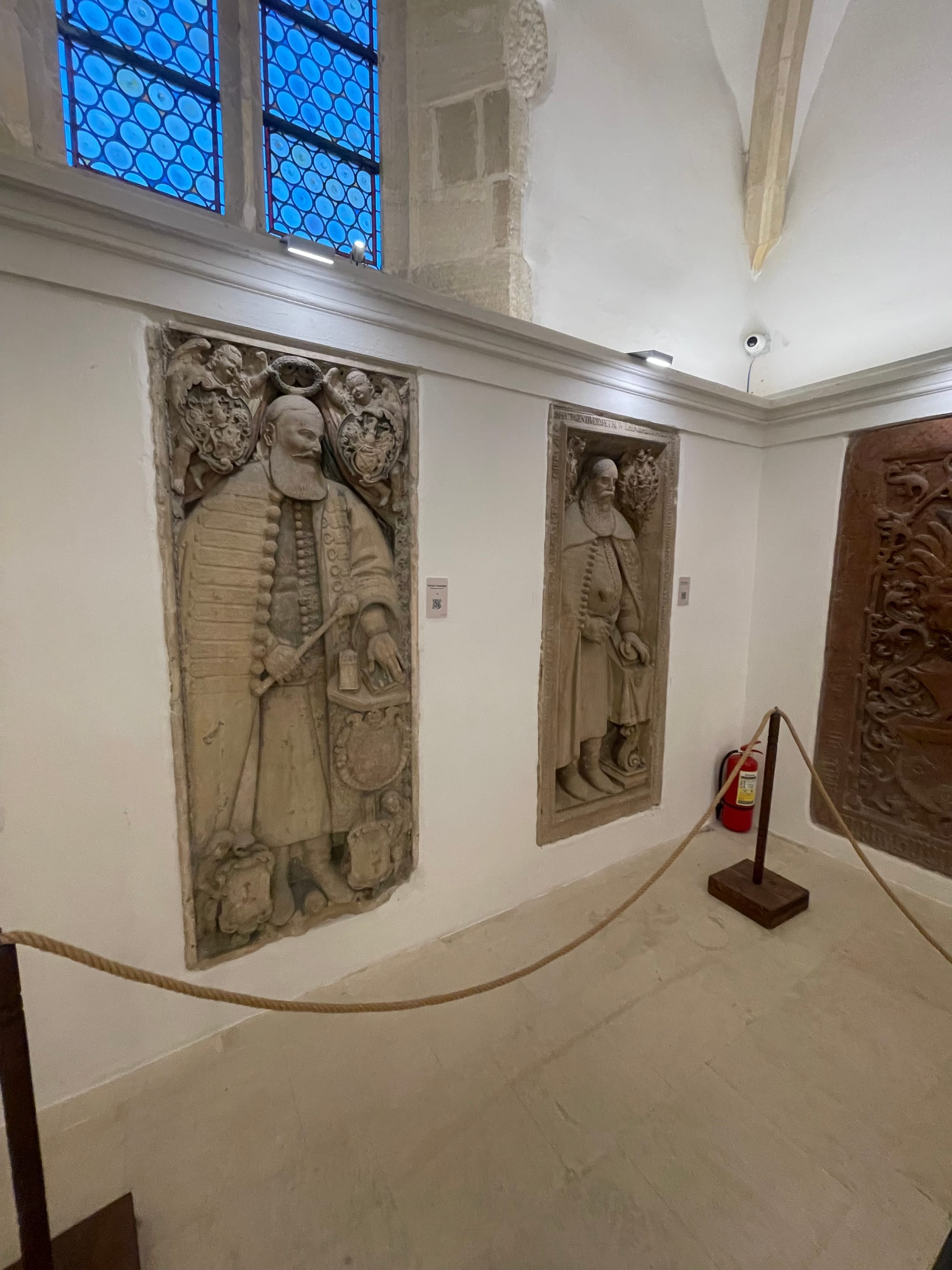
At the core of the project are the monuments that function as “documents” of a lost world: Lapis (slabs set into the ground), recumbent effigies depicting the knightly elite, commemorative stele set into the walls, and incised slabsbearing the marks of titles, professions, and symbols.
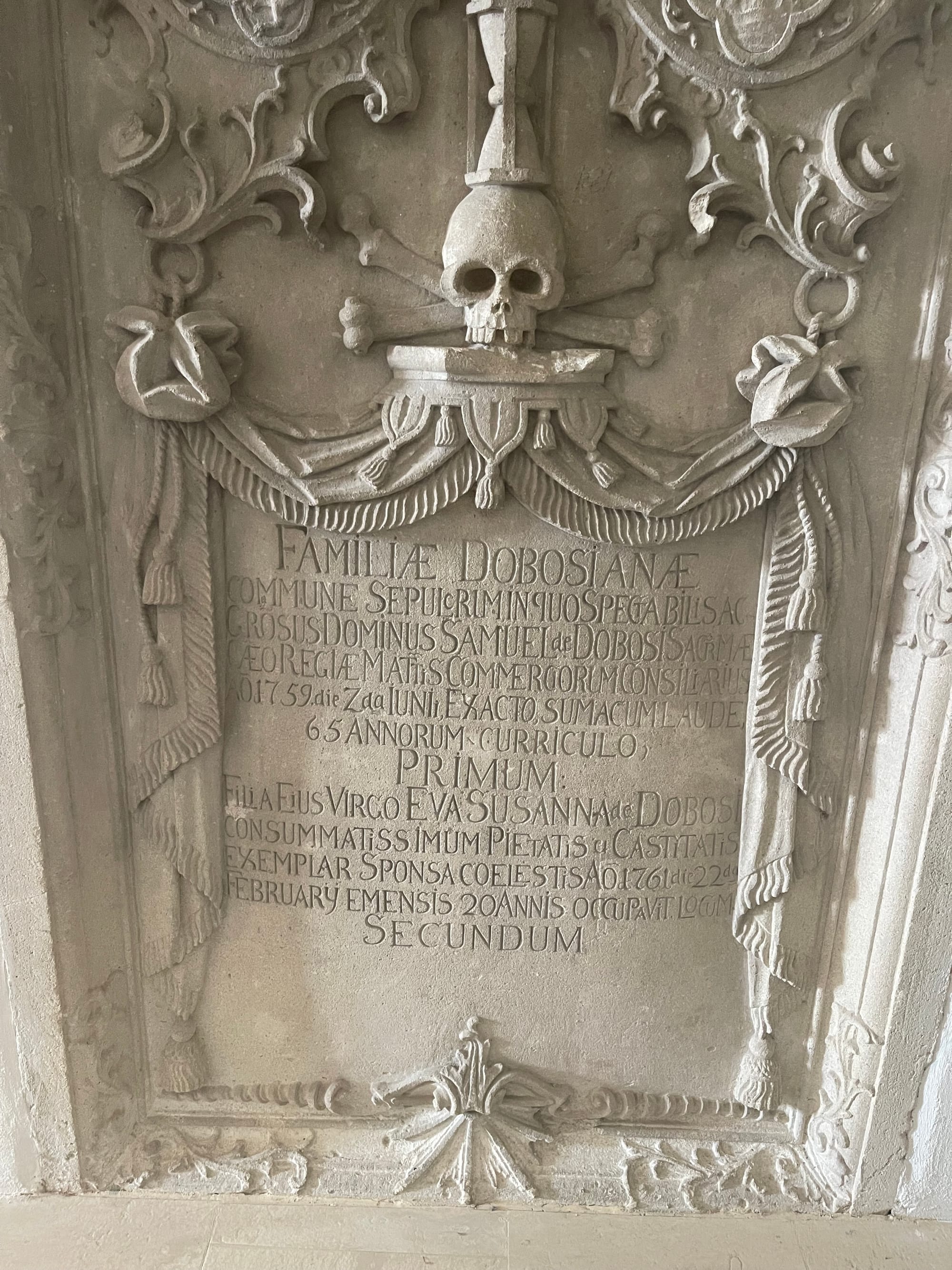
These are more than mere objects; they reveal family ties and insights into social status, faith, administration, and community belonging within the ancient Castrum. They constitute a visible archive—a “library” of the settlement—where language, law, social order, and the history of daily life converge.
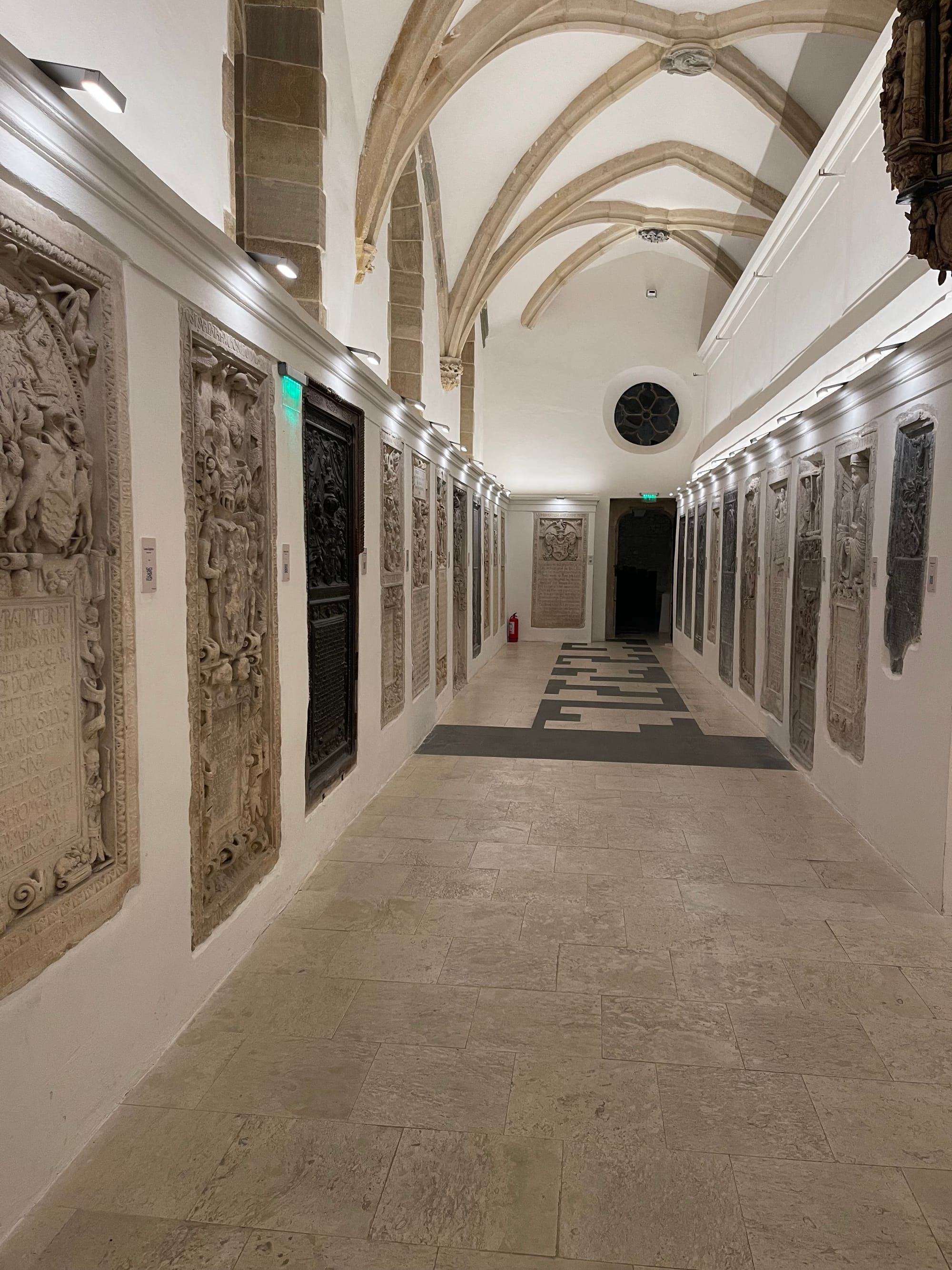
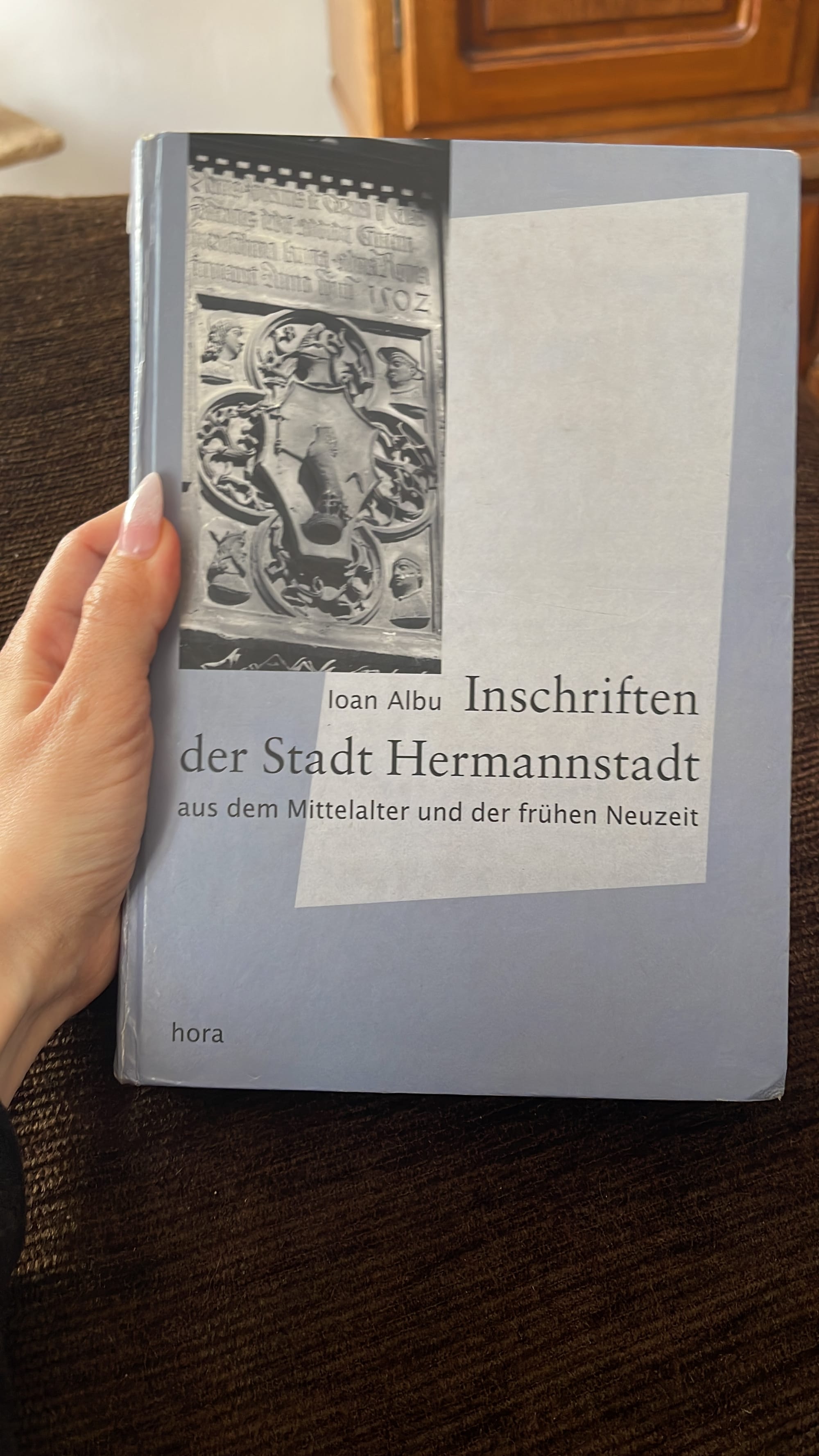
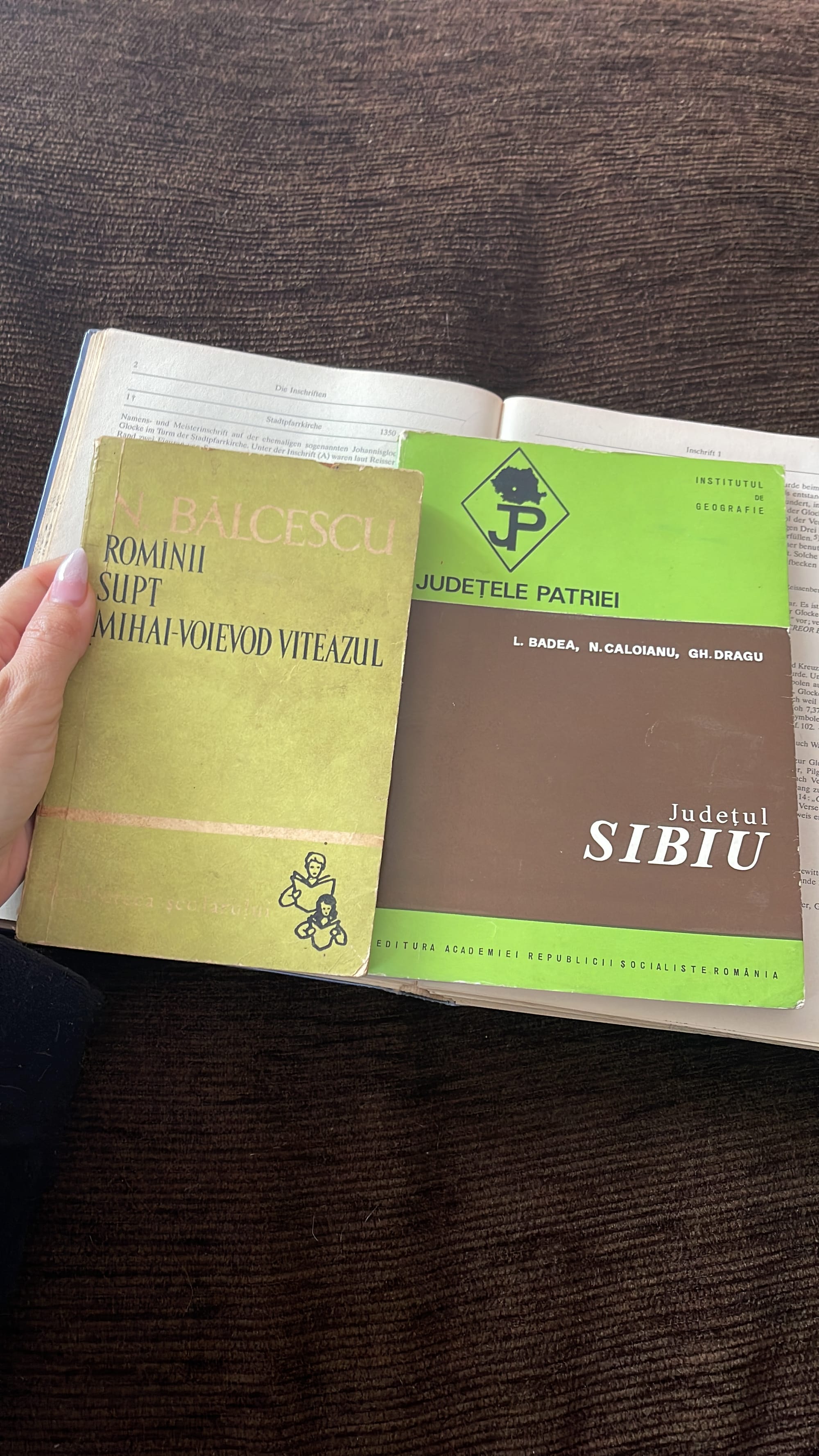
The project builds upon the historical contribution of Dr. Ioan Albu, continuing through a rigorous process of revision and corpus research: we have examined a set of 67 monuments, analyzed one by one, with meticulous attention to the reading of the text, linguistic variations, established formulas, and the details that shift meaning (names, dates, offices, titles, abbreviations, syntax, and differences in orthography or register).
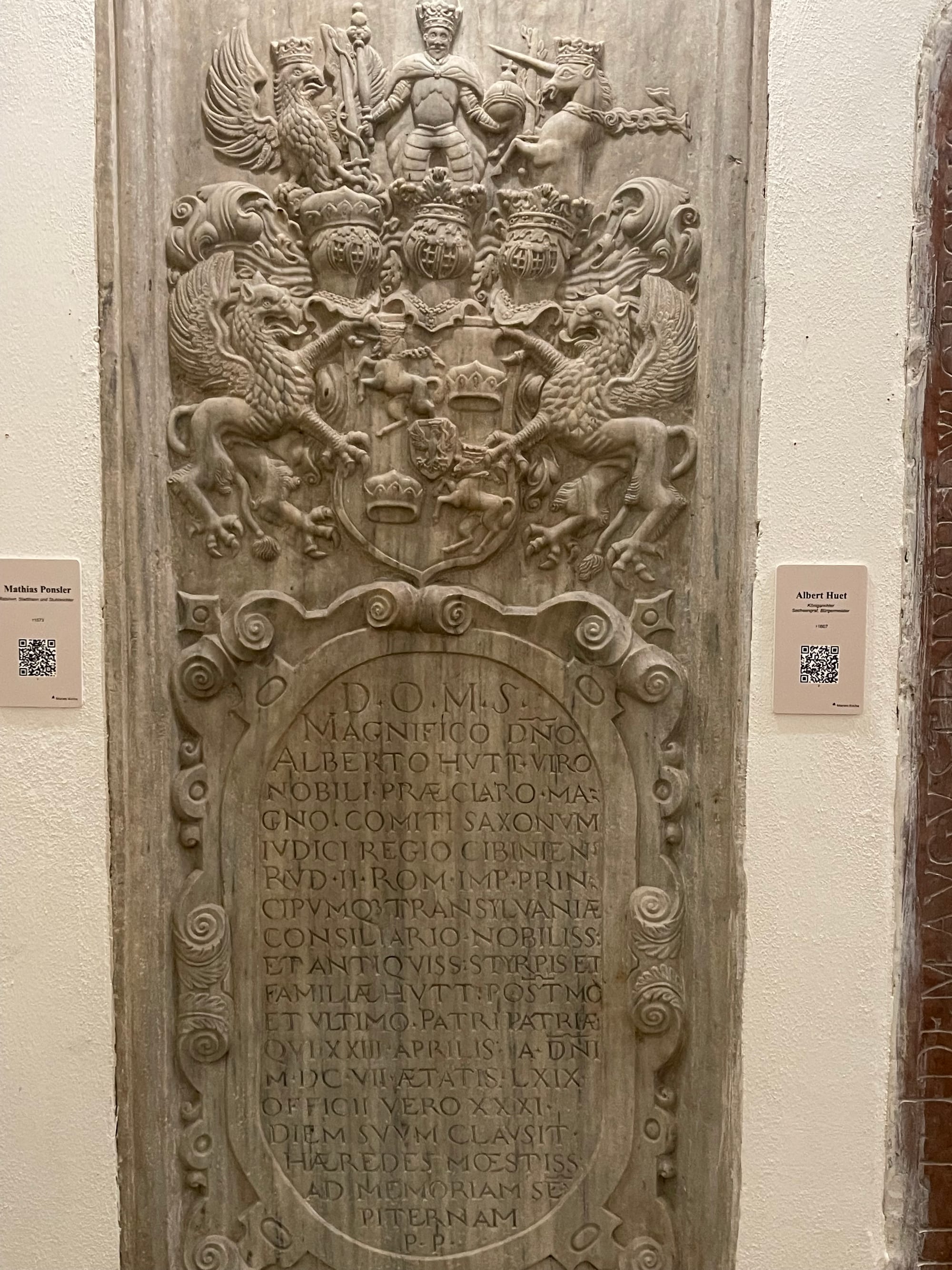
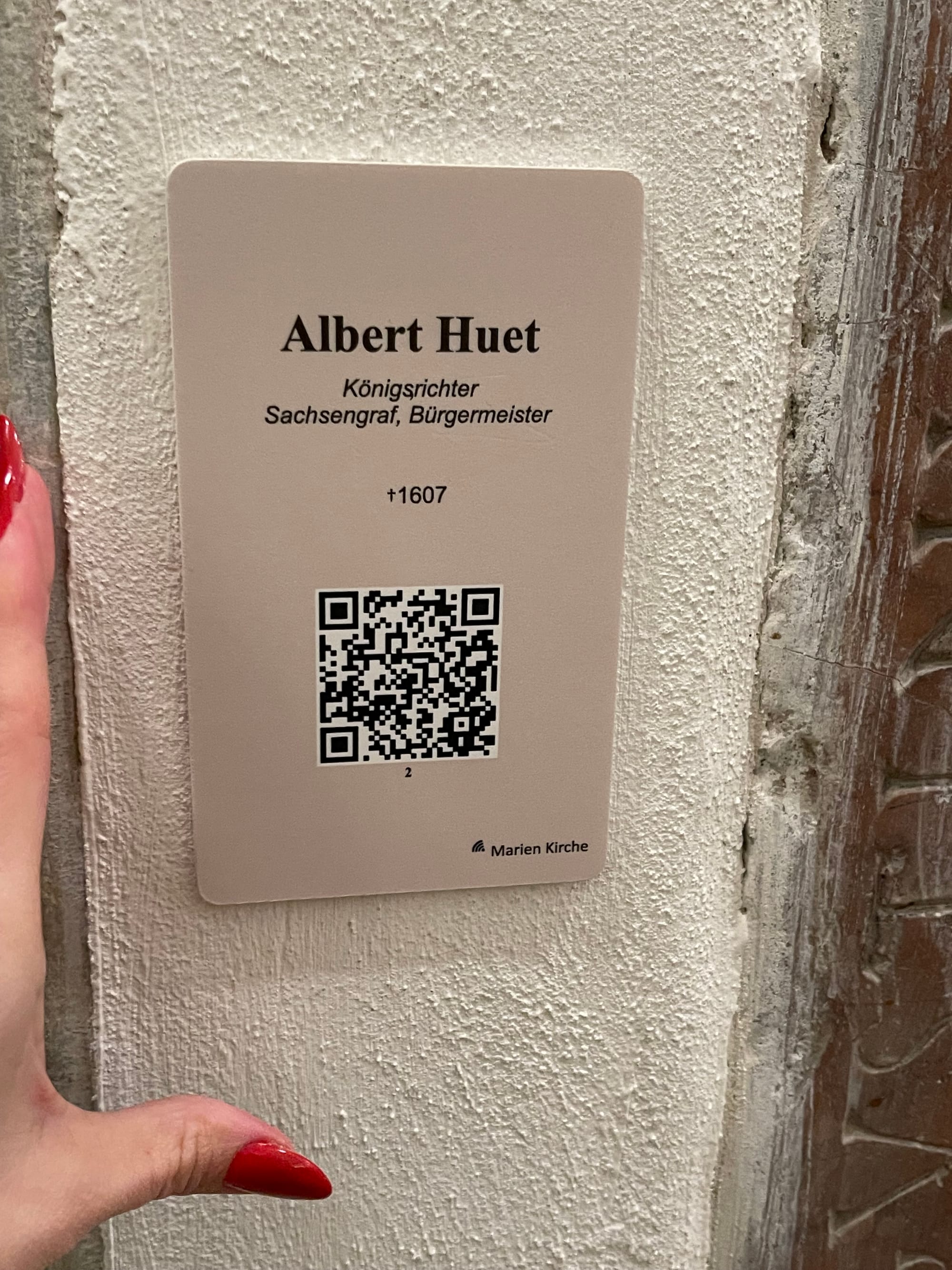
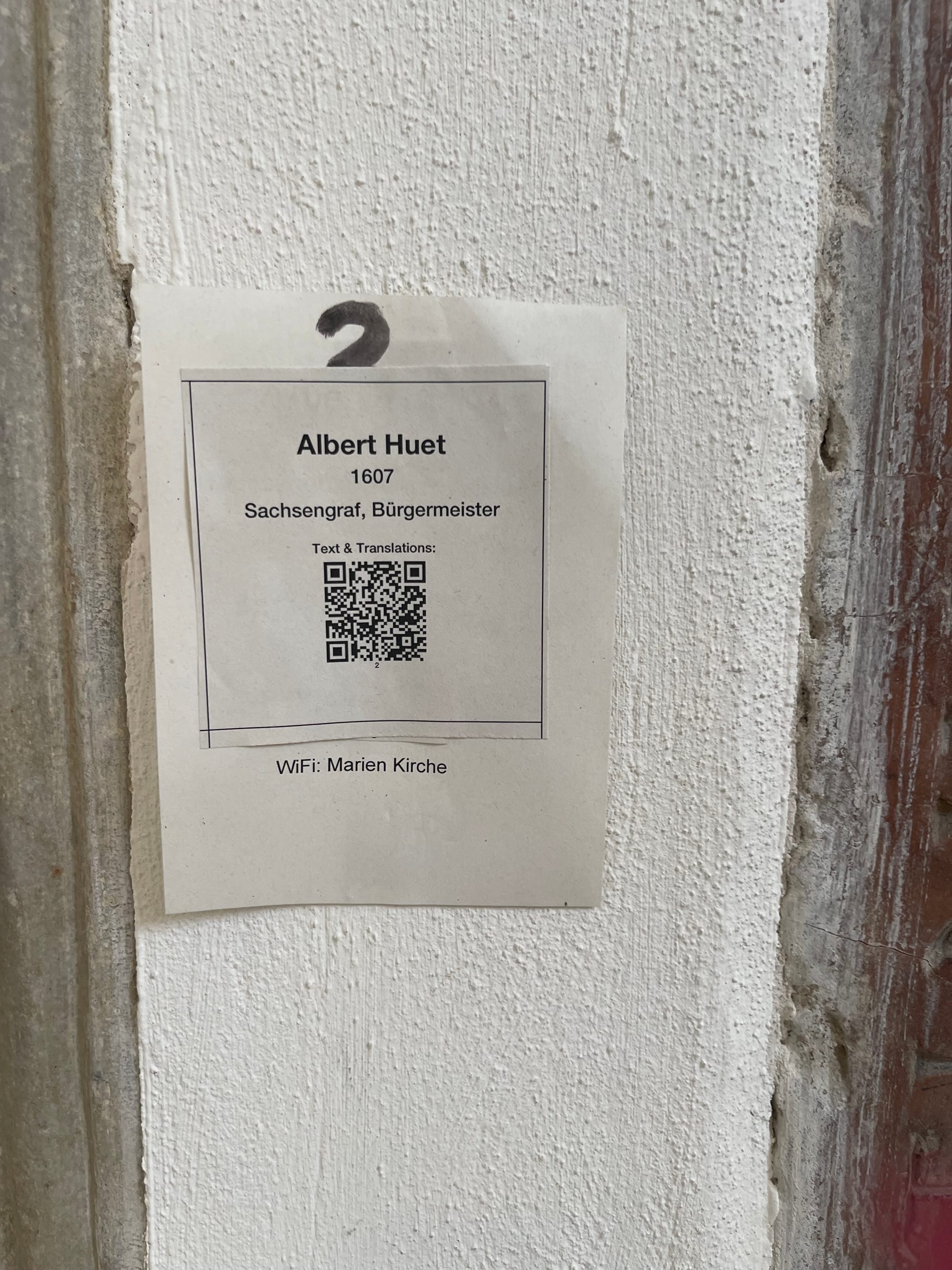
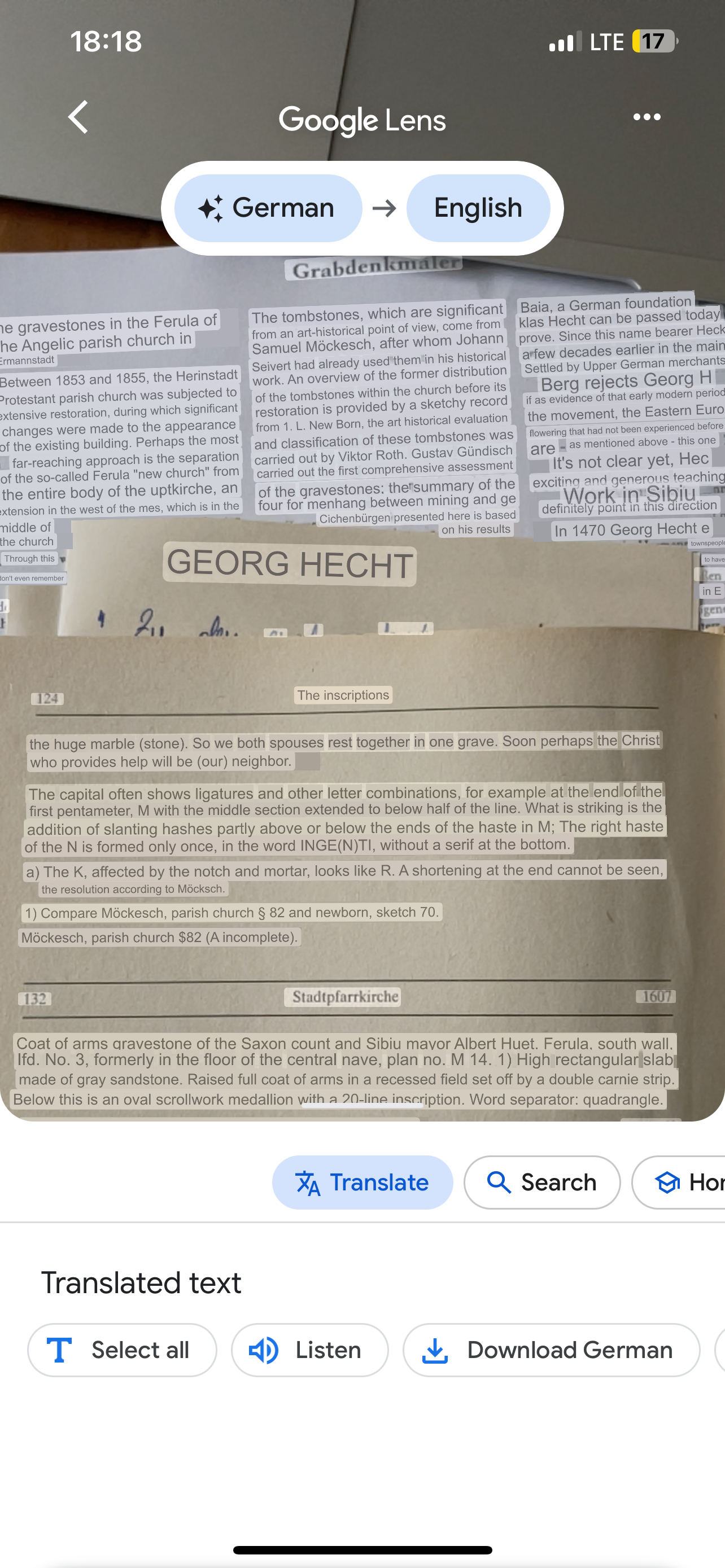
This endeavor is not merely 'historical,' but also linguistic (how the stone speaks its truth), social (revealing status and relationships), and administrative-diplomatic (examining offices, institutions, and patterns of legitimacy).
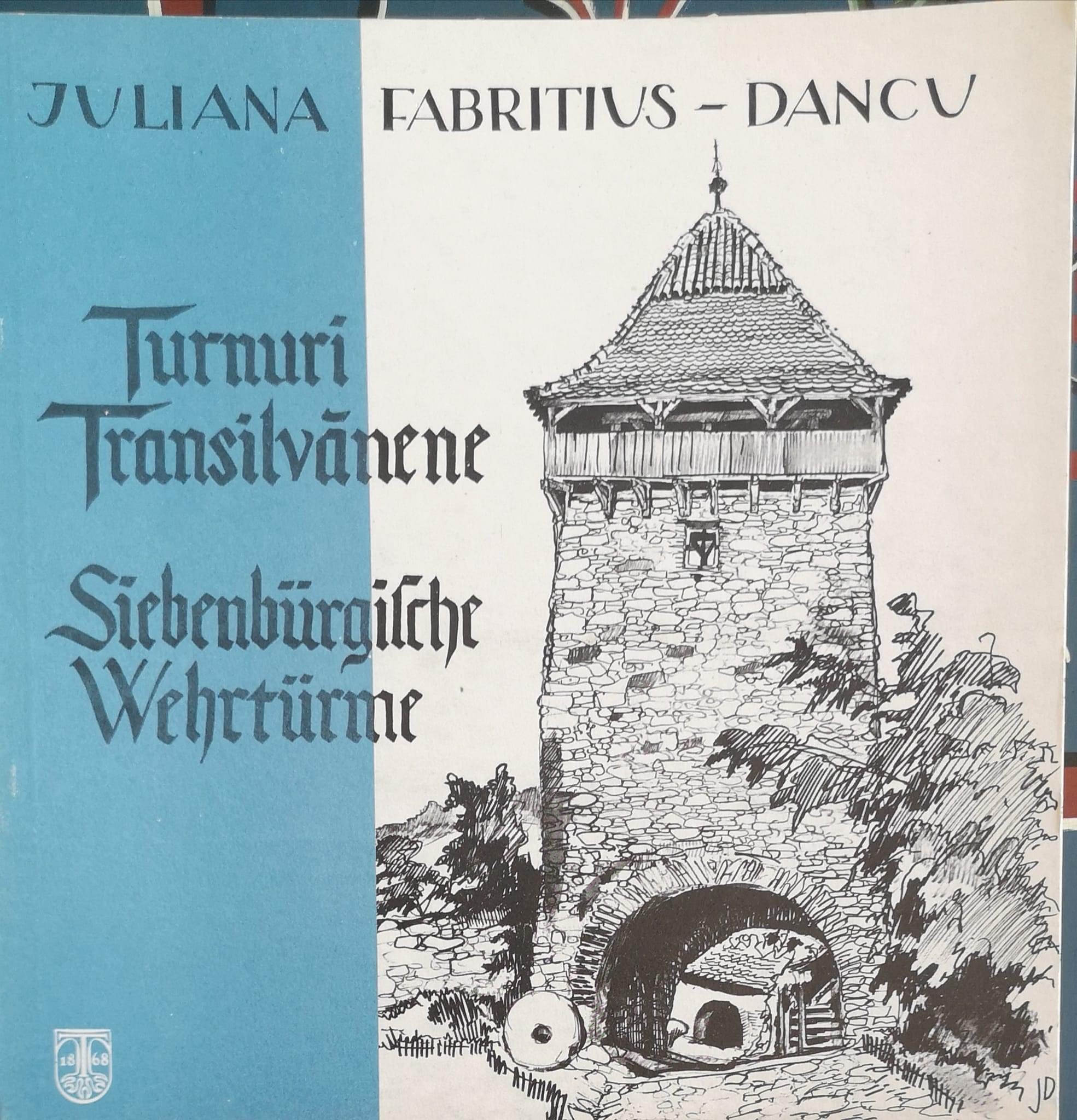
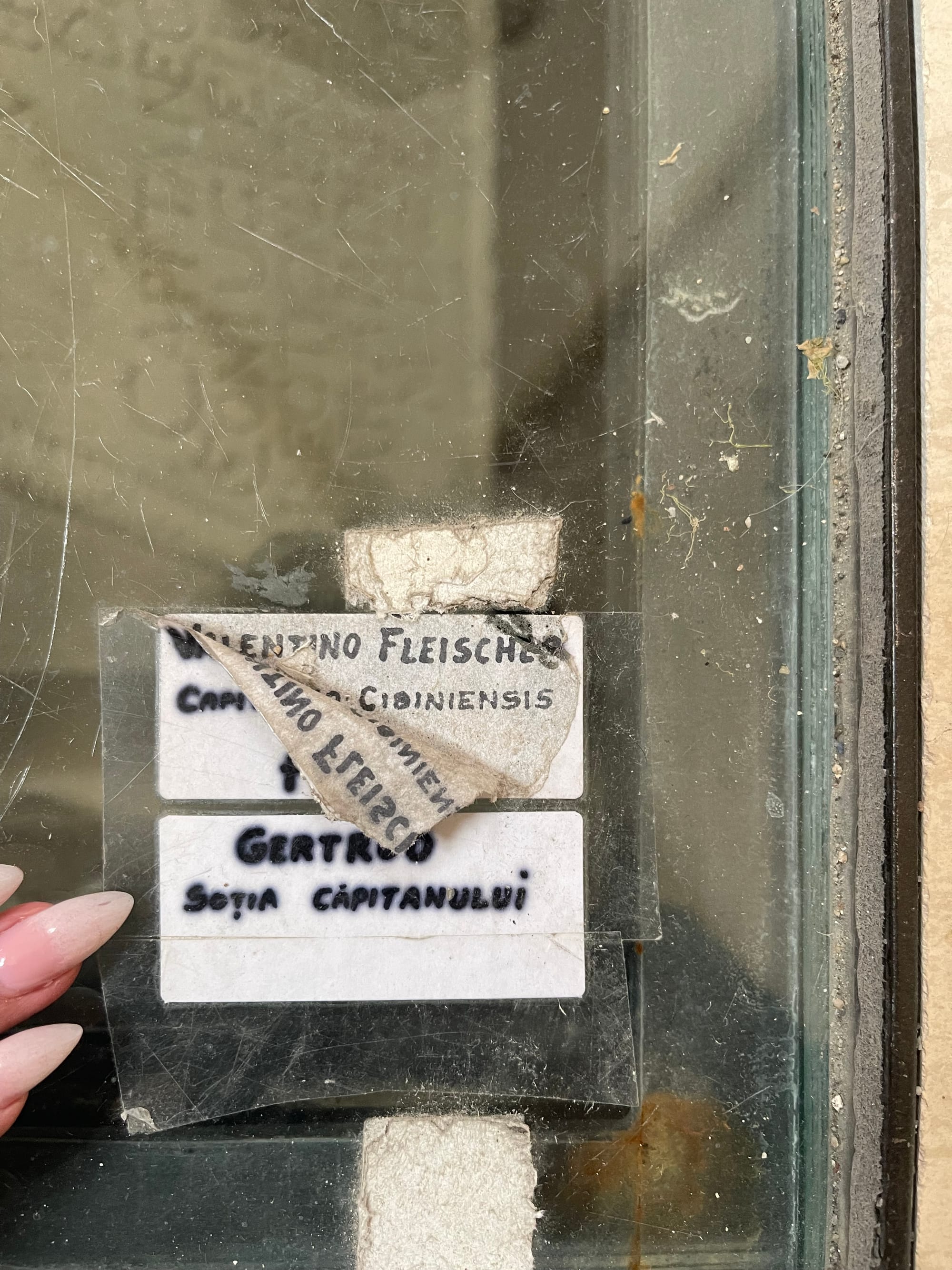
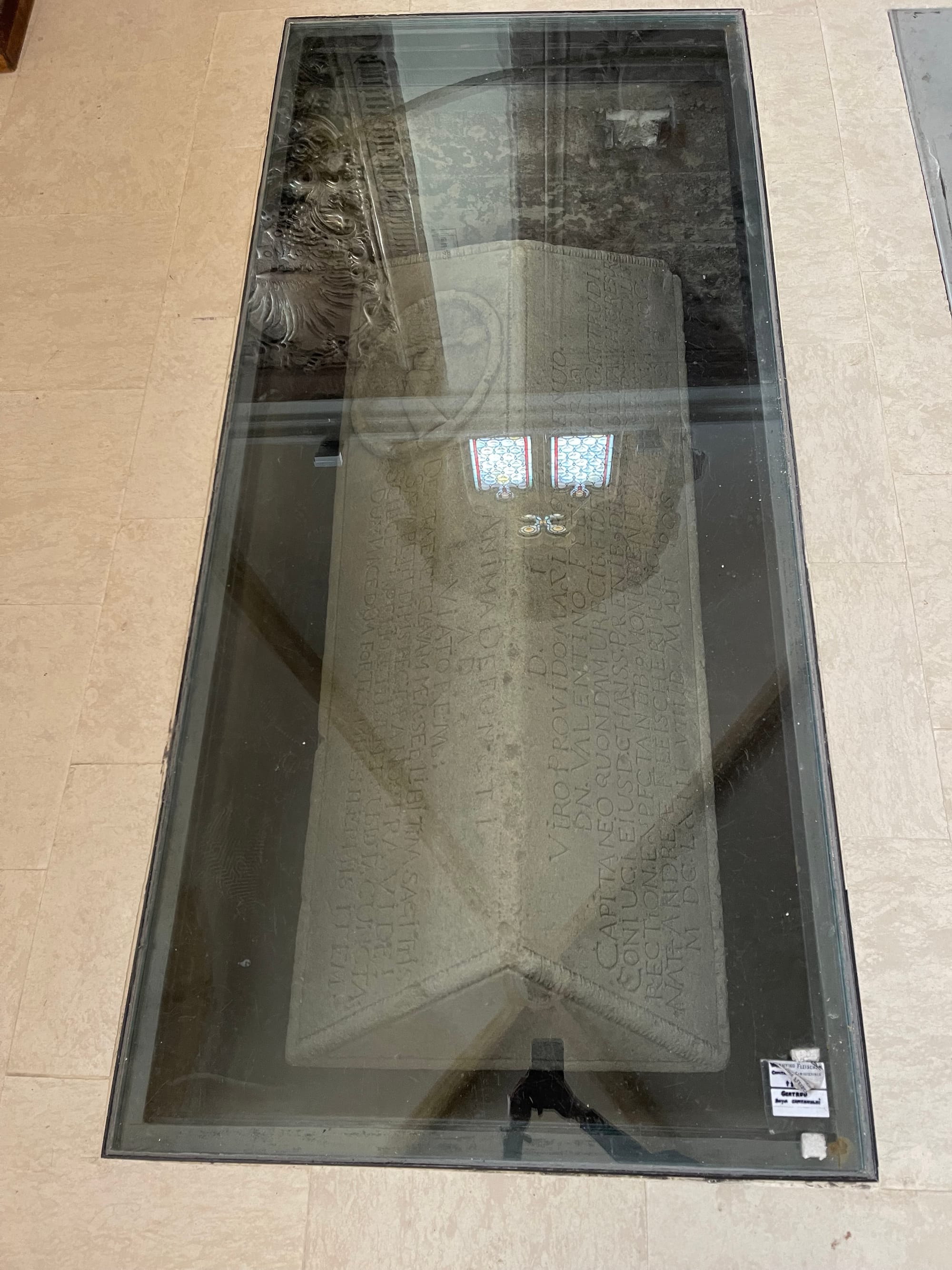
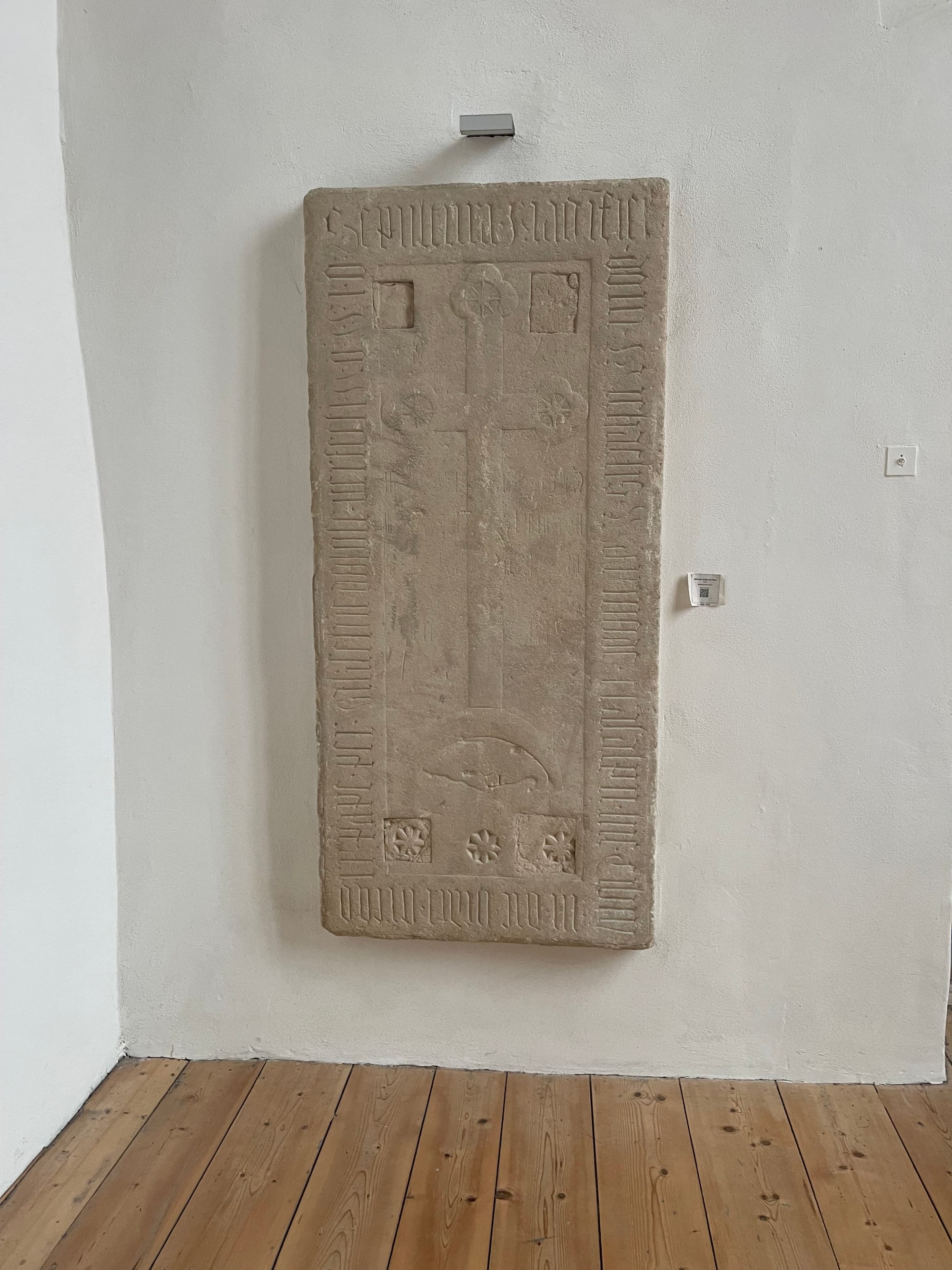
Essentially, it is a cultural-legal study, as many of these formulas are, inherently, ways of representing the public order and identity of the Castrum.


Within this corpus, one finds figures and names of great authority—including the Voivode Mihnea, alongside other identities that, when brought together, compose a map of the local memory.
'Ferula' seeks to make this memory intelligible: not merely through listing, but through contextualization and organization within a digital format.
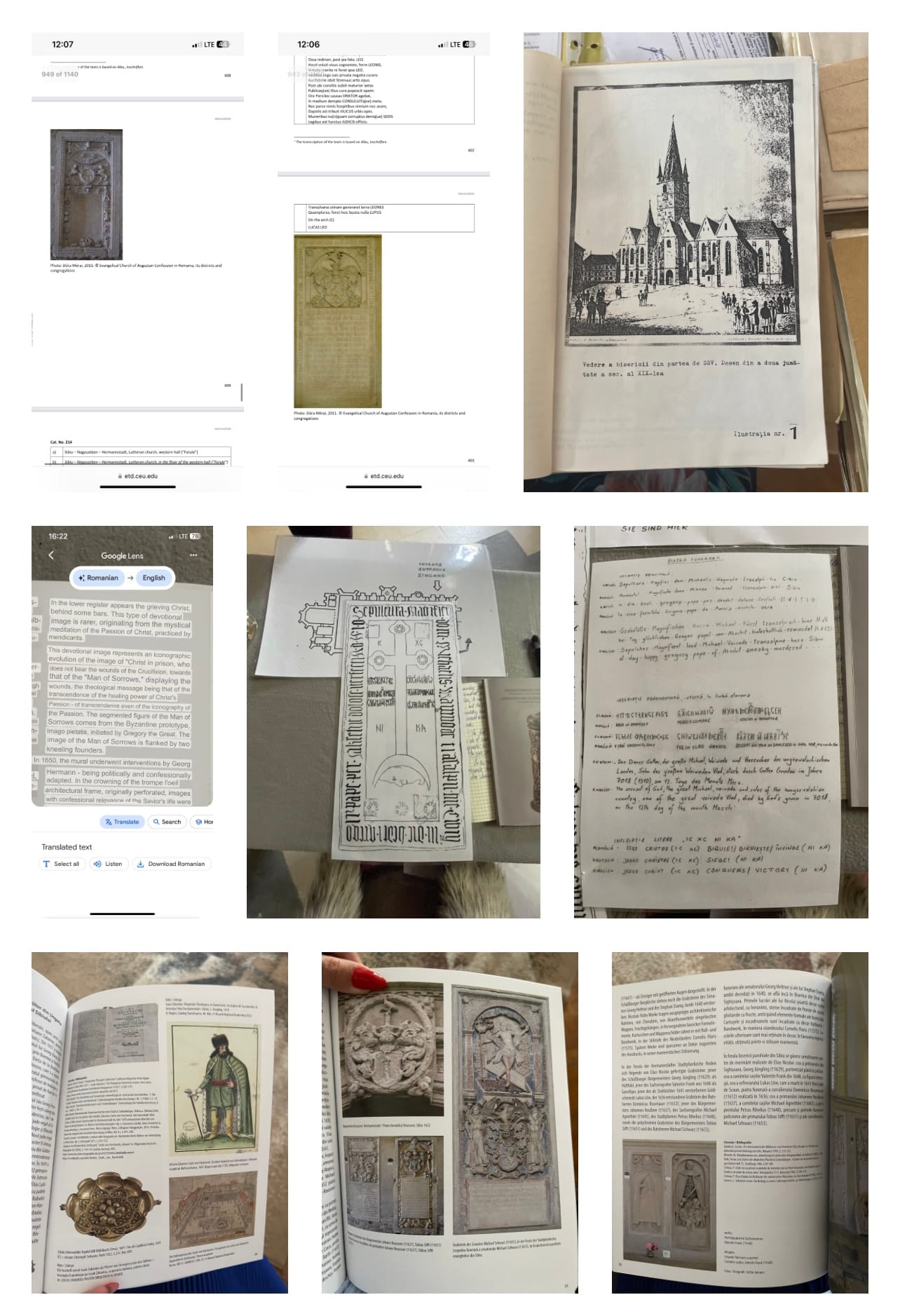
The logic of its navigation transforms the 'isolated inscription' into a coherent narrative of the community’s evolution within the Fortified Precinct.
“Ferula” is, ultimately, a bridge between the historical record and the public sphere: a way of reading the Civitasthrough its traces, with profound respect for the primary source and a commitment to historical exactitude.
Credit (footer): Historical work by Dr. Ioan Albu. Corpus review & research by Aleksandra Vonica.
