The Avant-Garde Heritage Interpreter
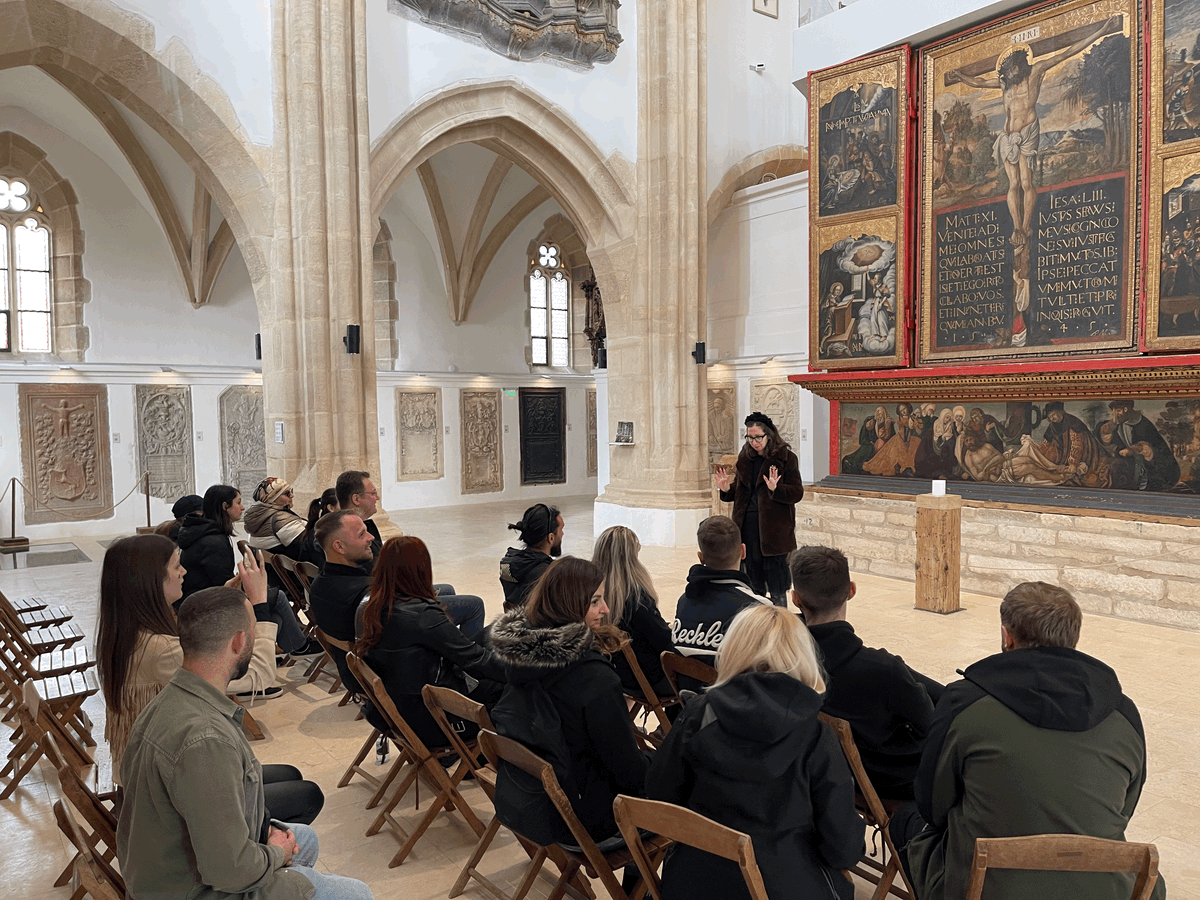
Art, the echoing heart of the polis, resounds most clearly when it divines tomorrow while fingering the fossils of yesterday; thus the Avant-Garde Heritage Interpreter rises as both guardian and doula.
Where others see an archive of rubble or a horizon of glare, the Interpreter threads past into future, binds memory to prophecy, and flings the braided cord across the chasm of the present. Therefore, to judge whether art fulfills its sovereign mandate—whether the artist is truly of the vanguard—one must discern the trajectory of Humankind, must feel the gravitation of its destiny.
For every jubilant chorale there must ring a threnody; for every radiant utopia, a flint-sparking confrontation with the sewage that seeps beneath our marble colonnades.
Let the Interpreter wield not the silken brush of consolation but the ruthless bristle that abrades façades, exposing the rust, the blood-slick gears, the unmarked graves that buttress our monuments.
Only then may the anthem of hope and the ode of despair converge into a single polyphonic flare—a flare that signals the shipping lanes of possibility and warns of the reefs of repetition.
“Our heads are round so our thoughts can change direction.” — Francis Picabia
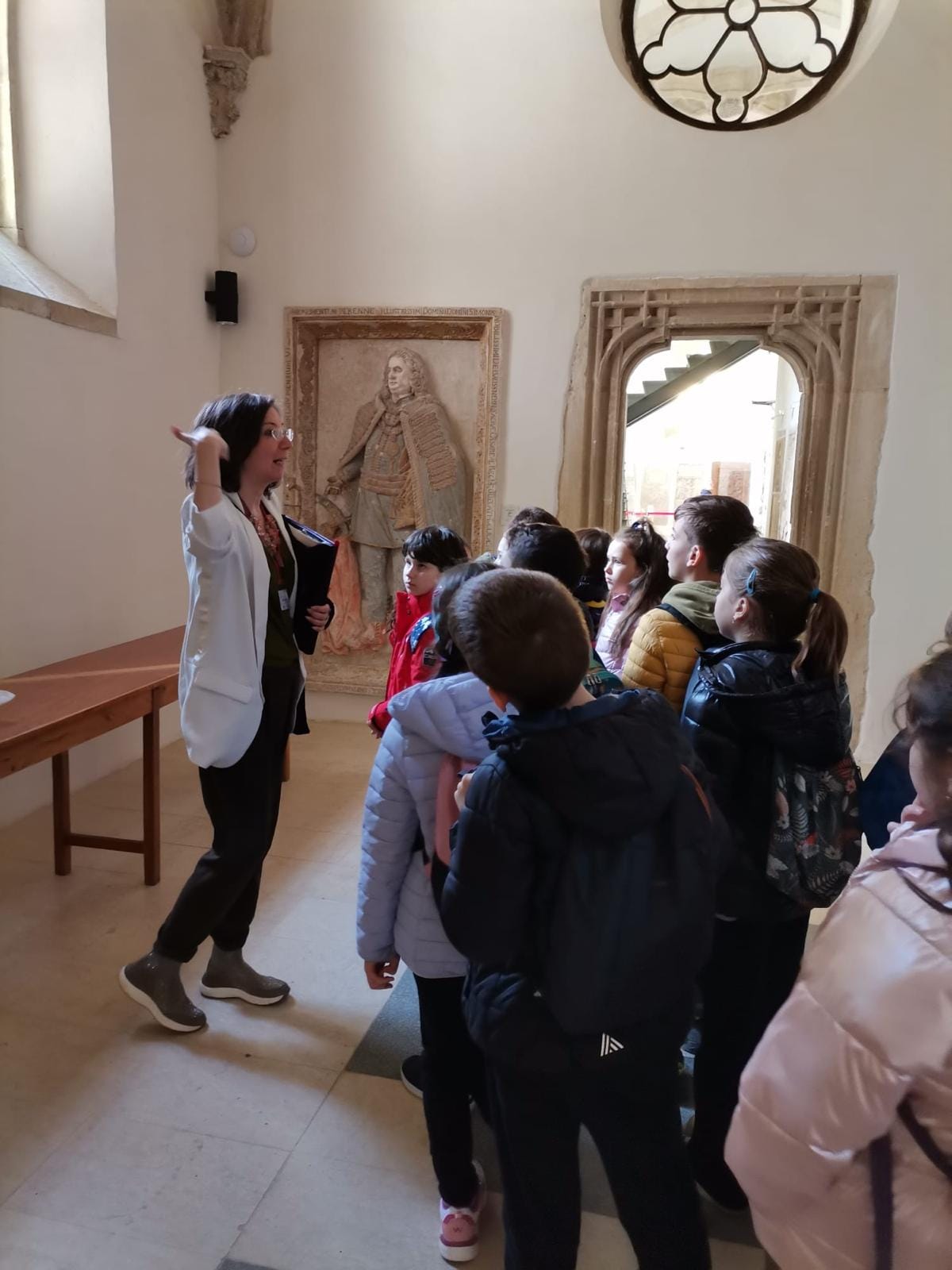
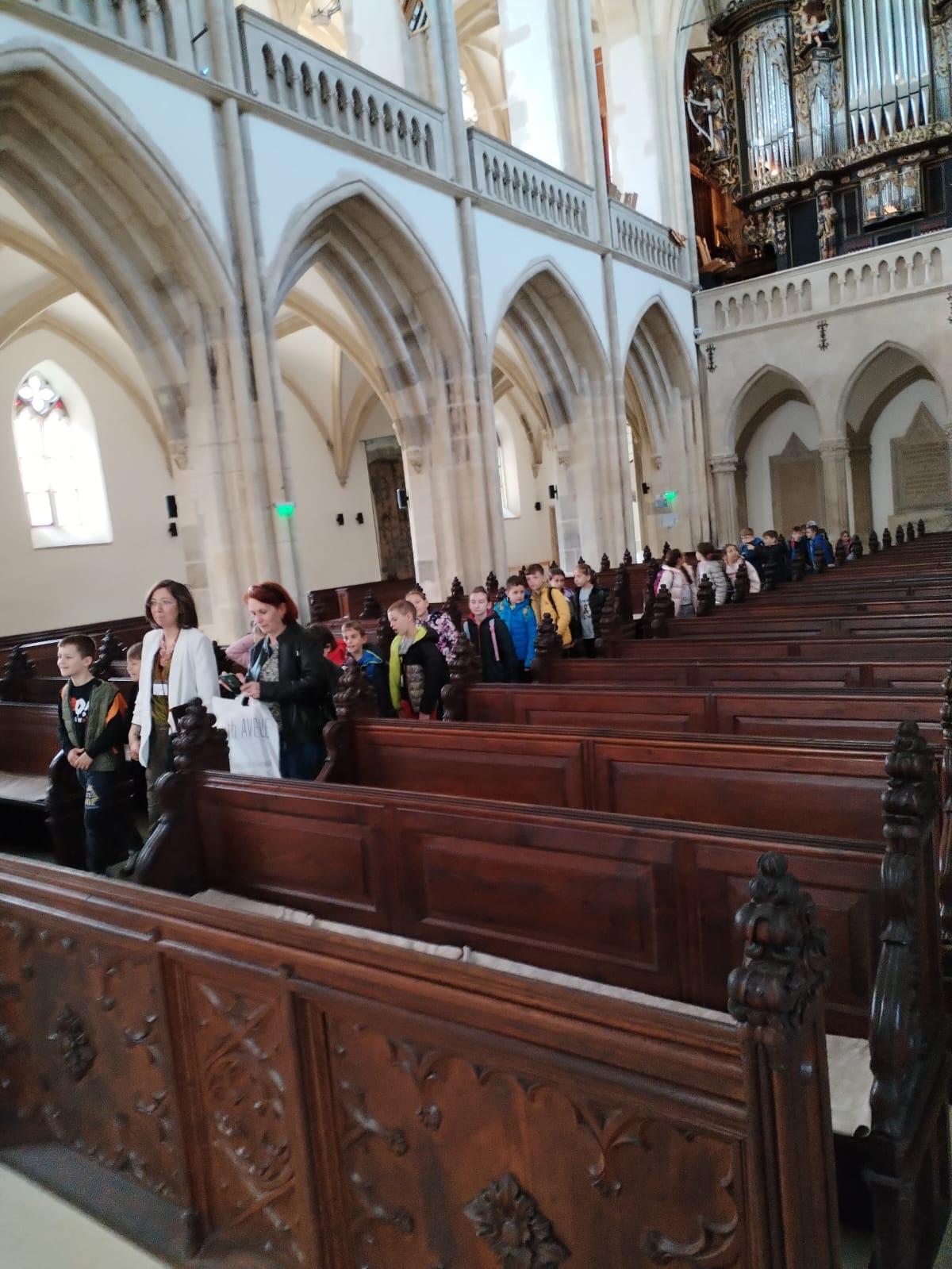

Aleksandra Vonica as Avant-Garde Heritage Interpreter
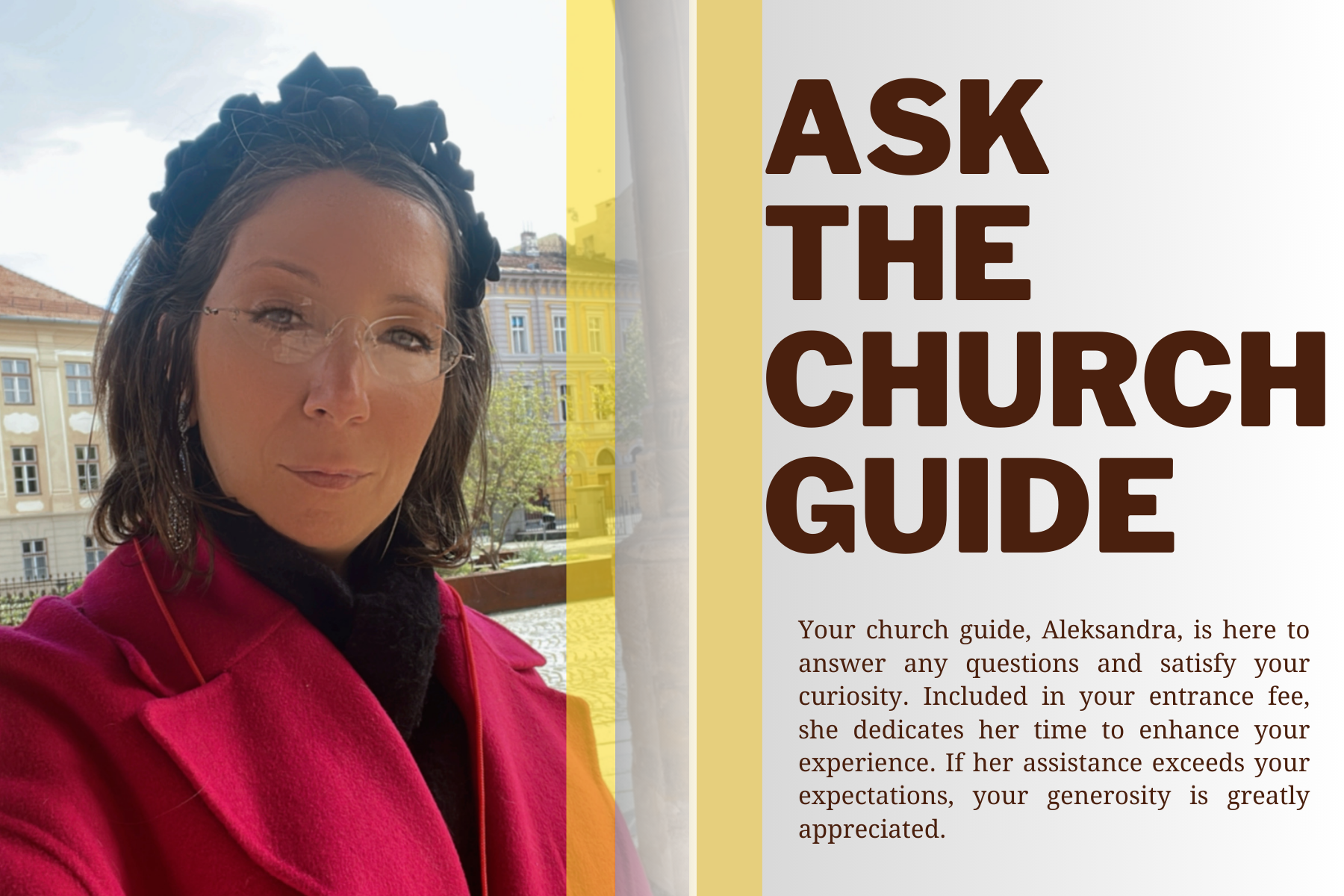
Cultural Mediation Format | Evangelical Church of Sibiu (2024–2025)
“Ask the Church Guide” was conceived as an open invitation to dialogue.
Seated at a small table inside the church, surrounded by notes, books, and ongoing research, I made myself visibly available to visitors who wished to go beyond a standard tour. The printed invitation in front of me simply read: Ask the Church Guide.
This format transformed passive observation into active conversation. Visitors were encouraged to ask questions freely — about architecture, funerary stones, symbols, liturgical objects, local history, or the wider cultural context of Sibiu and Transylvania.
Each interaction was adapted in real time to the visitor’s background, curiosity, and available time. The aim was not only to provide information, but to create a meaningful interpretative experience — accessible, rigorous, and personal.
The table became both a research station and a point of encounter: a space where heritage was not only explained, but interpreted.
Ring the Bell – An Angel Gets Her Wings | Avant-Garde Heritage Interpreter
When I wasn’t sitting at the small table, the table didn’t look “empty.” It looked intentional.
No books. No papers. Just one sign turned toward the visitors:
“Legend says: every time you ring a bell, an angel gets her wings.”
Right beside it sat a small golden bell.
People entered the church, looked around quietly, and then spotted it—the line, the bell, the invitation. They smiled. They hesitated. And then they rang it.
If I was free, I rushed in.
And I didn’t arrive in a typical guide outfit. I appeared in long flowing dresses and jewelry that caught the light—soft sky colors like blue and gentle pink, sometimes black, sometimes red. In a Protestant church, the effect was… dramatic.
“Yes? You called me?”
The shock on faces—especially children and teenagers—was priceless. One moment, the church felt silent and distant. The next, it felt like it had answered back.
Sometimes that bell opened into stories, depending on who had rung it and how much time they had. Sometimes it opened into questions—about the church, its history, its symbols, its quiet layers.
And sometimes I couldn’t come, because I was already speaking with someone else. But even then, the bell still worked: people would stand there for a moment, make a wish, whisper a prayer, and leave something soft and hopeful behind in the silence.
Sacred Music & Living Heritage | Bach Choir of Sibiu
Since April 2024, I have been a soprano member of the Bach Choir of the Evangelical Parish Church of Sibiu.
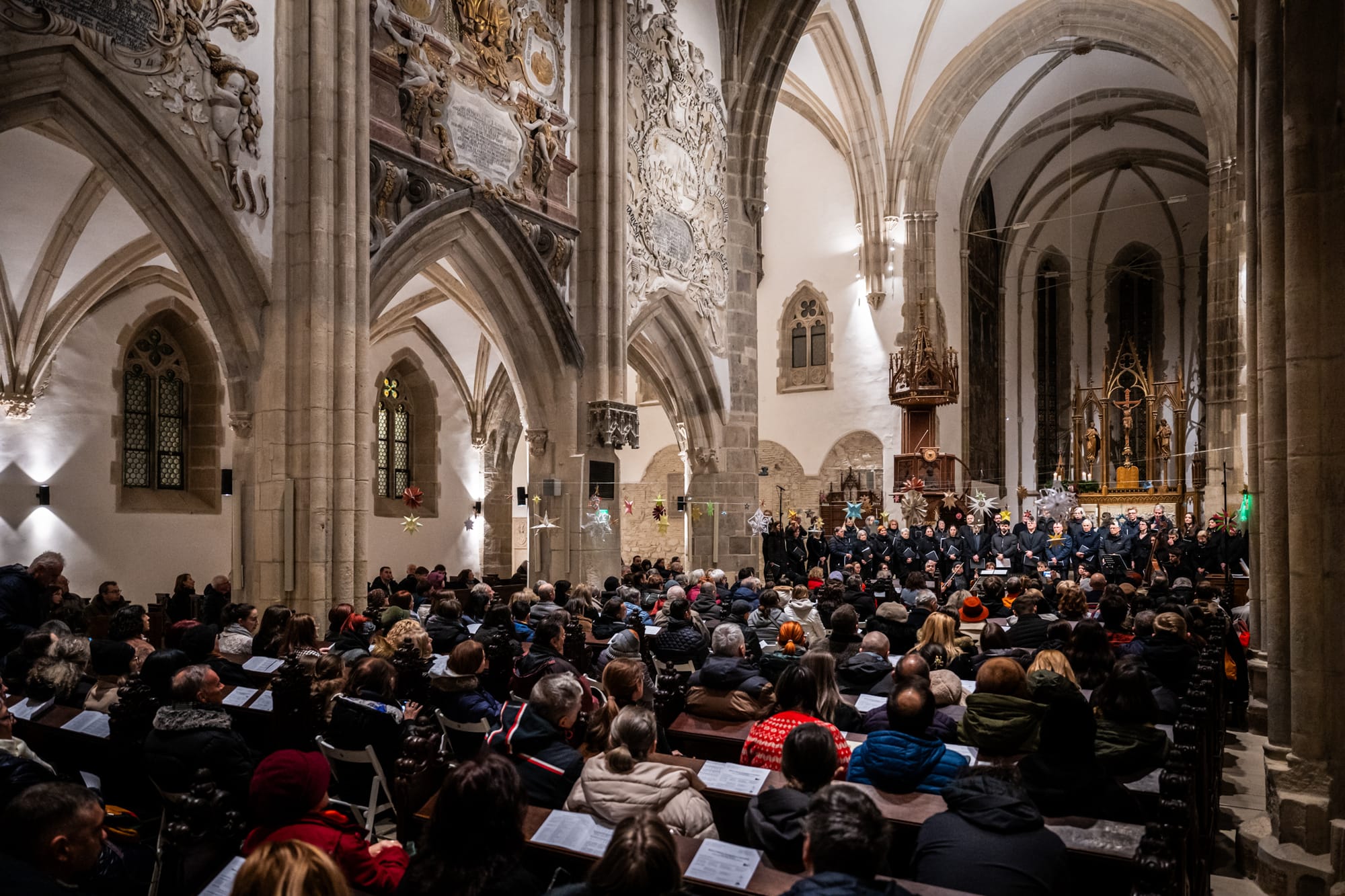
The choir is dedicated to sacred repertoire and performs within the liturgical and cultural life of the church. Through regular rehearsals and concerts, this activity represents not only musical practice, but participation in a living tradition of sacred heritage.
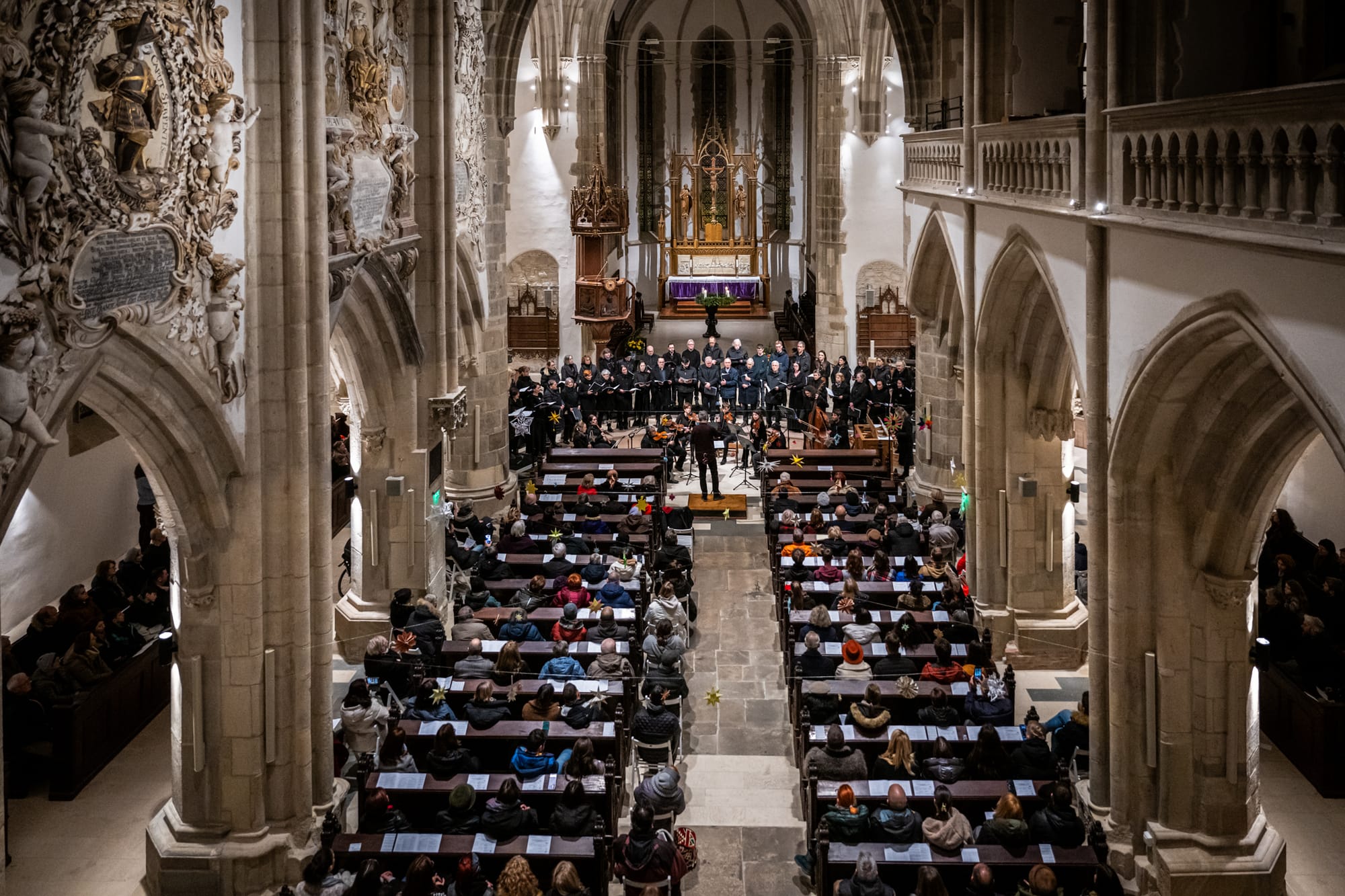
Since joining the ensemble, I have taken part in several major concerts, alongside smaller liturgical performances and seasonal celebrations. The repertoire has included works by Johann Sebastian Bach and Louis Vierne, as well as sacred music performed during major religious holidays and community events.
This musical engagement complements my work in heritage interpretation. It situates me not only as an interpreter of cultural space, but as an active contributor to its sound, atmosphere, and continuity.
That last paragraph is important. It connects the choir to your identity.
